


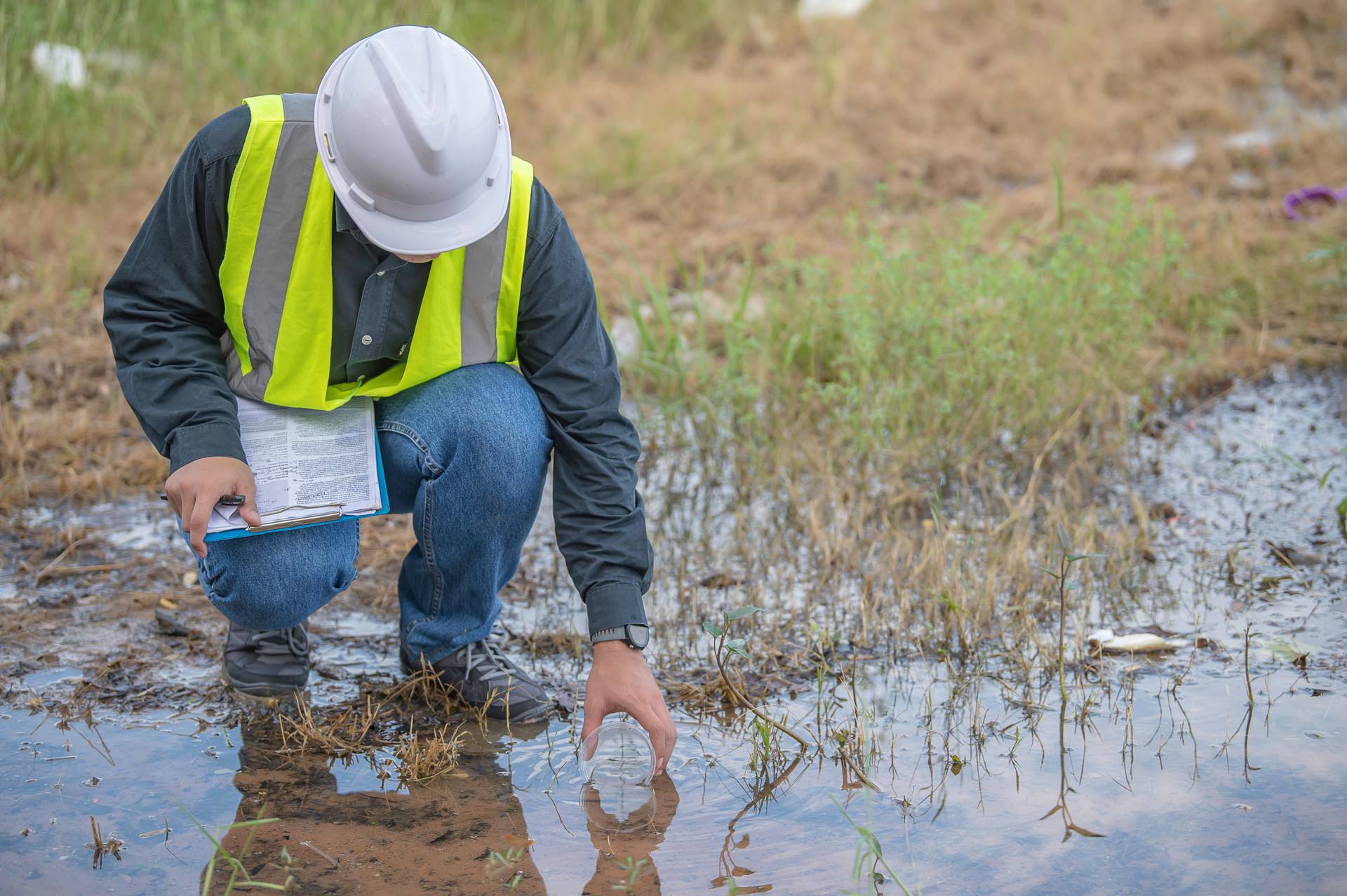
Installation for cleaner water on the horizon
Clean water. That is the essence of the Water Framework Directive. Creating healthy habitats, giving fish room to thrive. Who could disagree? Ineos Aromatics is doing its bit with a new water treatment installation that will reduce cobalt emissions into the Grote Nete by 90%. These particles are released during the production of Purified Terephthalic Acid, a basic component of polyester resin.
The driving force behind this positive project? An open dialogue among all partners, from Bond Beter Leefmilieu to Natuurpunt, powered by a willingness to listen and the courage to act. The result: a top-class environmental permit application. From 2027 onward, no more than 50 micrograms of cobalt per litre of water may be discharged. Our experts are assisting the environmental permit process, the basic design and the detailed engineering of this state-of-the-art installation.



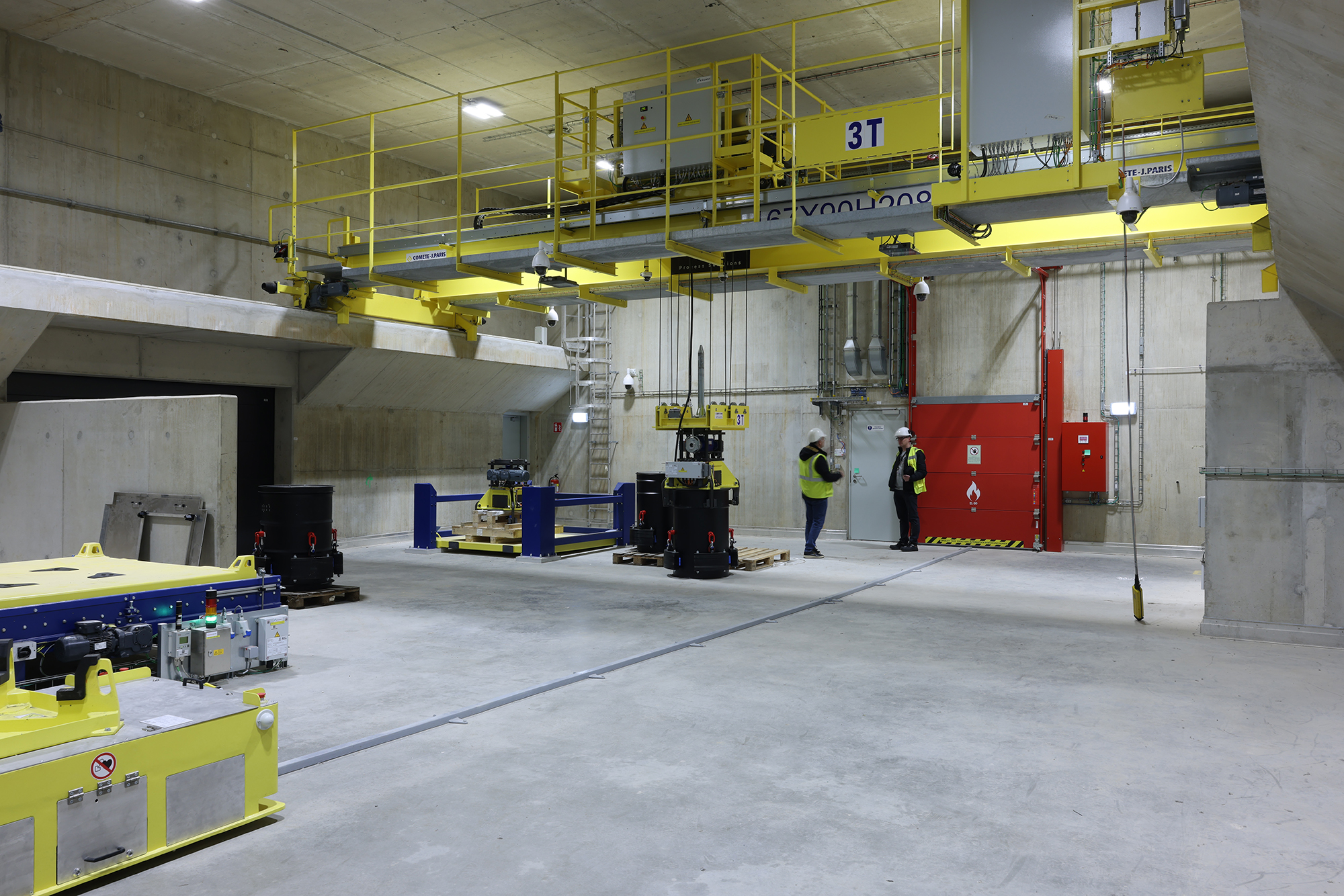
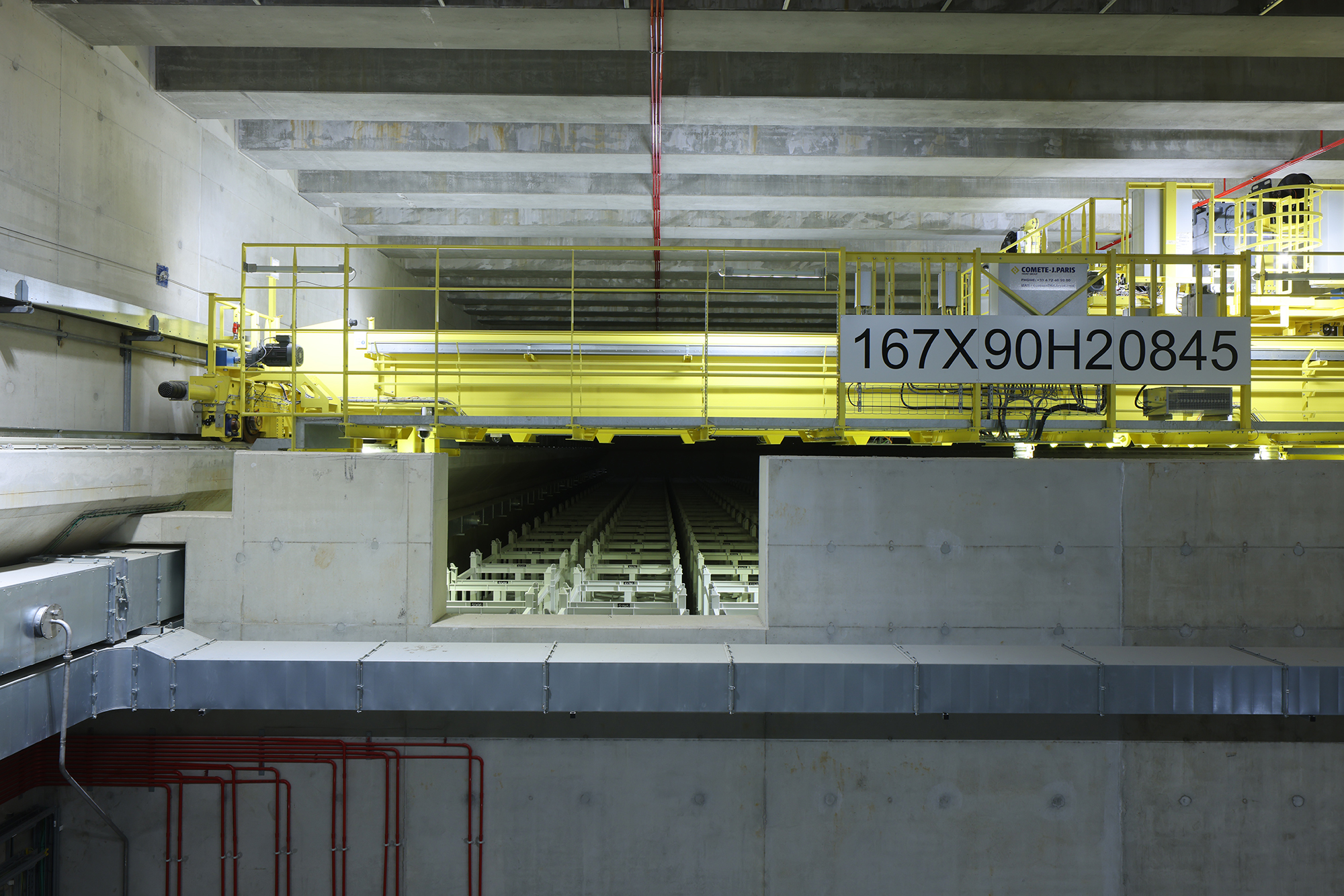
Secure storage, cutting-edge construction
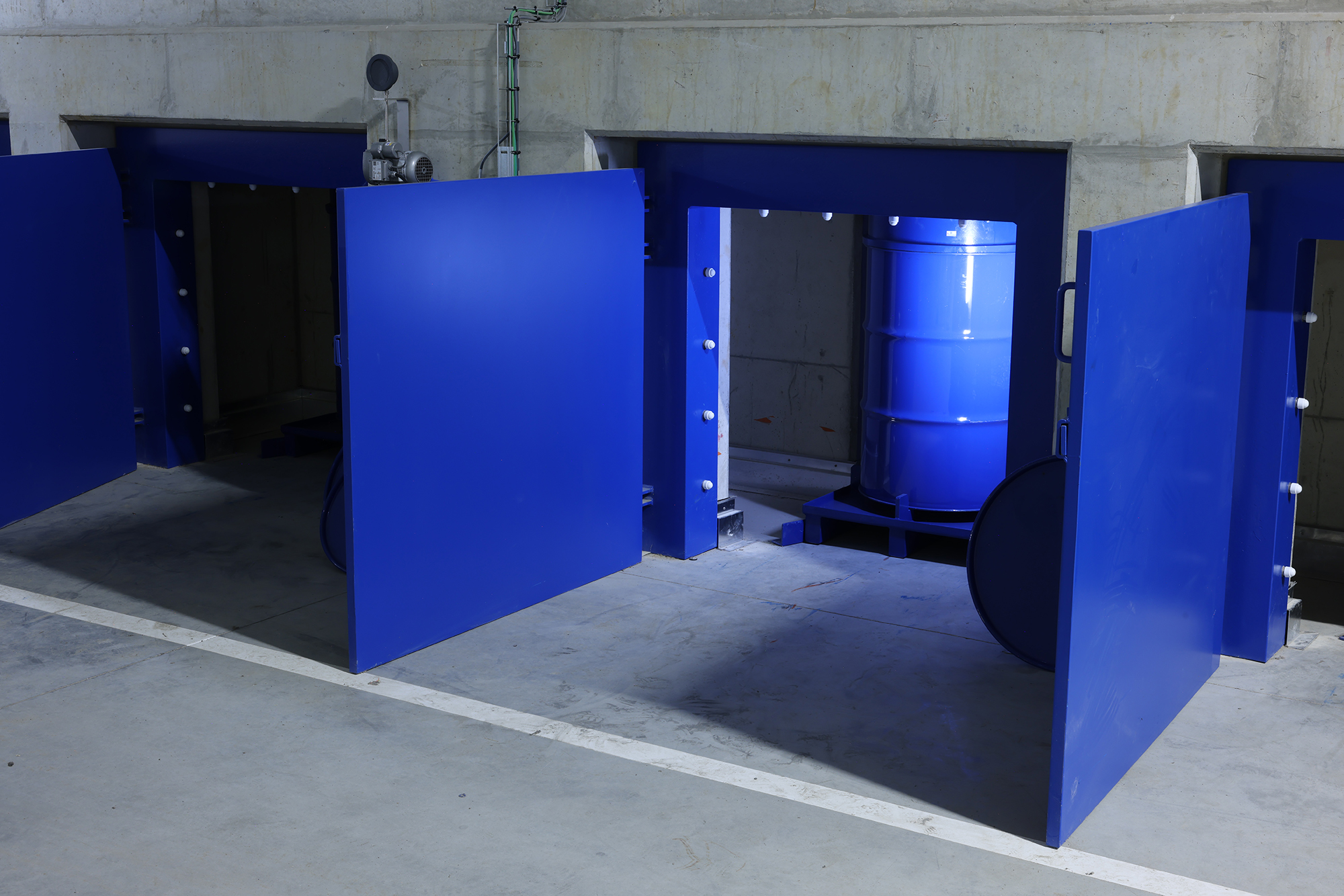
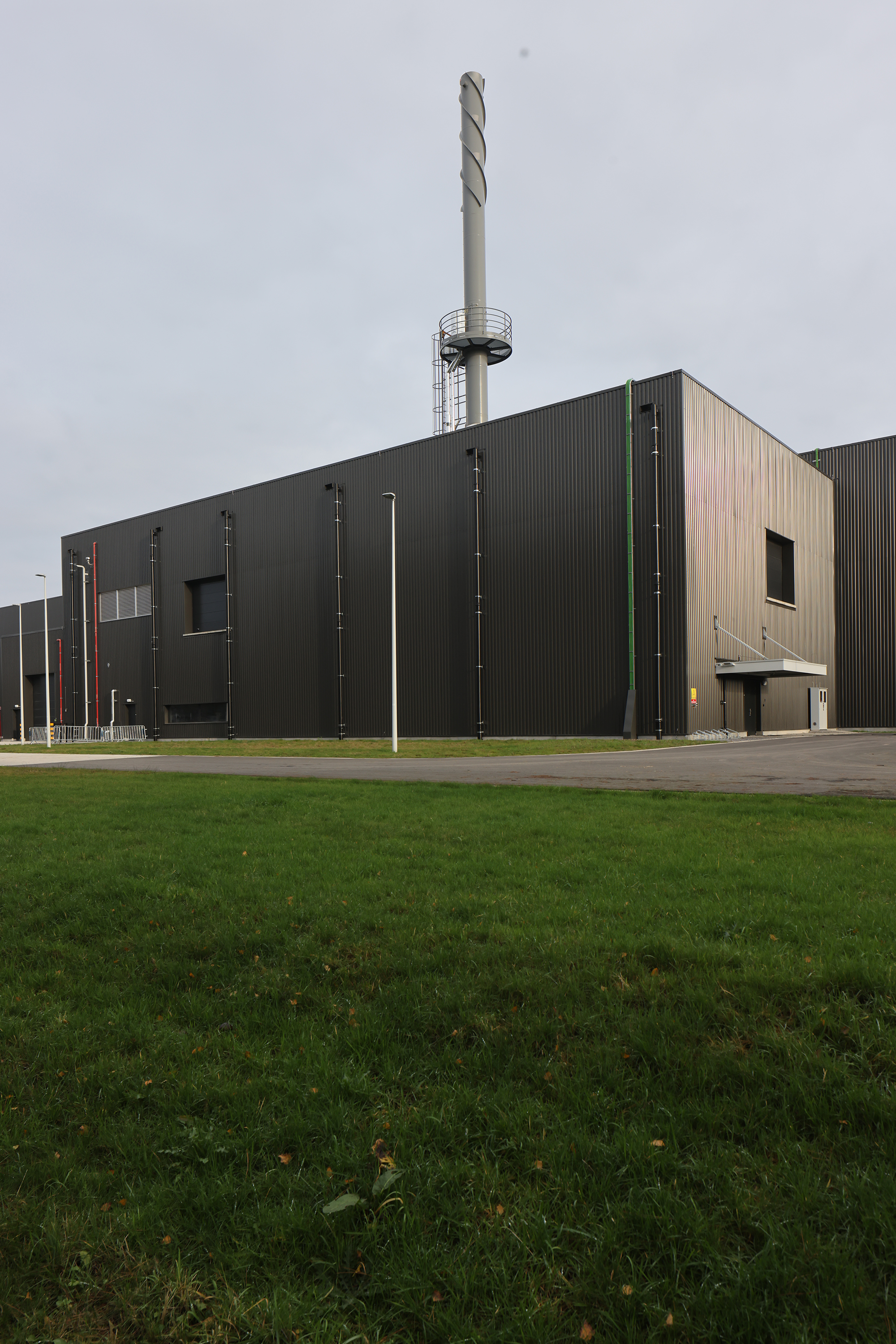
All radioactive waste we produce requires careful, responsible management. That happens in Dessel, where, together with NIRAS, we are building the nuclear transition. With the design of several buildings and installations, we are supporting the processing and temporary storage of low- and medium-level waste.
Our multidisciplinary team works on architecture, infrastructure, structural engineering and technical installations: from HVAC and mechanics to process implementation. International collaboration, with partners from the Netherlands and Finland, elevates expertise to new heights. Together with NIRAS, we are ensuring that the waste is secured safely and sustainably, with respect for people and the environment.
A battery that isn't one
Zinc is a blue-white metal. In a thin layer, it protects steel in cars, wind turbines and solar panels from corrosion. It is also an essential ingredient in batteries. But producing zinc requires a lot of energy: the annual consumption of Nyrstar’s zinc smelter in Balen equals that of a city like Leuven. That’s why we are designing a virtual battery together with Nyrstar.
By expanding electrolysis capacity, the company can scale production up or down depending on high or low wind and solar energy availability. In this way, it helps smooth out peaks on the Belgian electricity grid. Thanks to this flexibility, energy suppliers in our country no longer need to activate fossil fuel power plants to absorb peak demand. This saves up to 200,000 tons of CO₂ every year. A remarkable feat of courage and innovation. Our experts are bringing the virtual battery to life through an energy study, permit preparation and the basic and detailed design.


“We reduce consumption when there’s little green energy, and scale up when there’s plenty of wind and sun - like a yo-yo moving up and down. Thanks to that flexibility, no fossil power plants need to respond.”
From sludge to energy: circular transformation
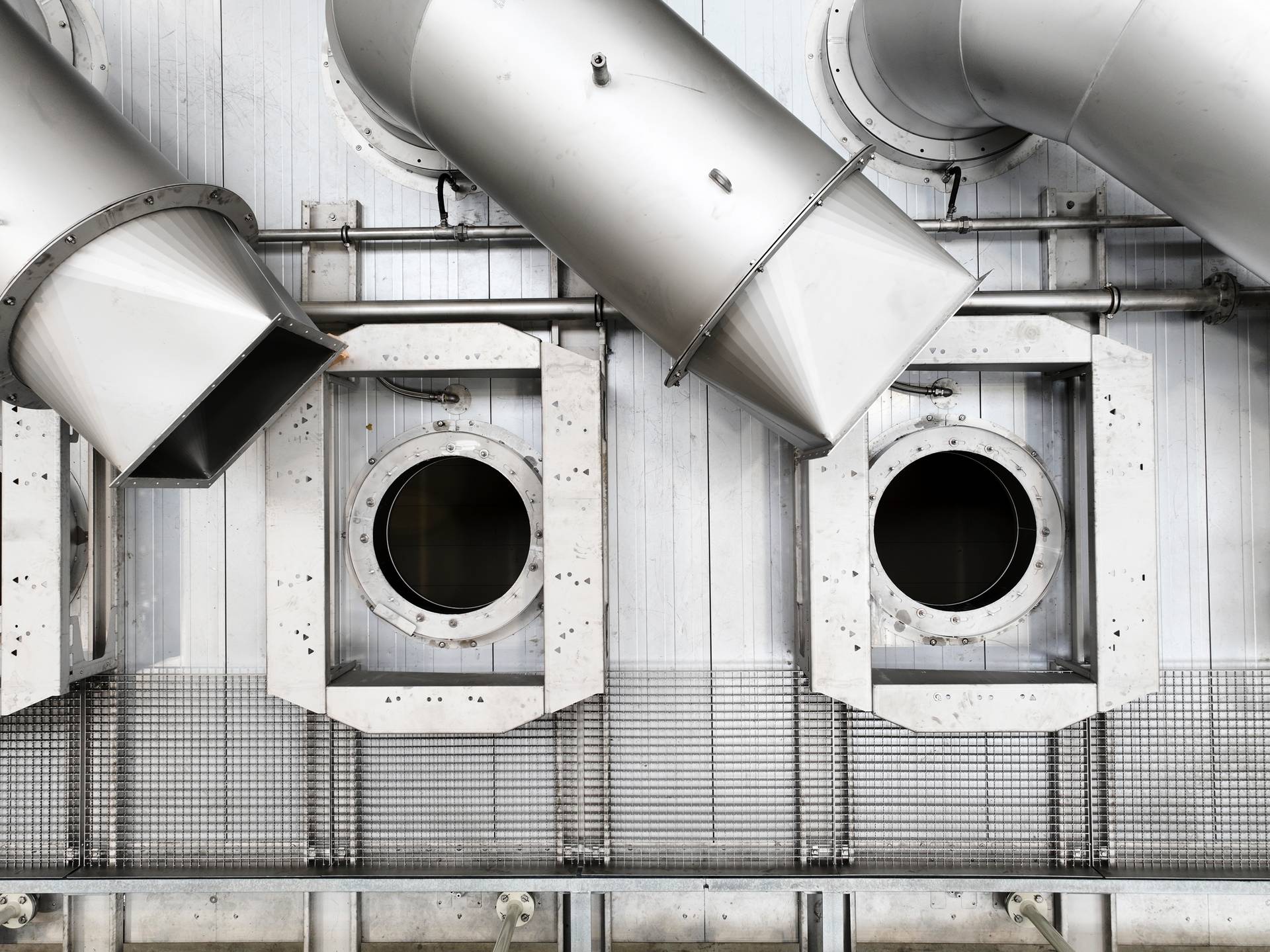
What do you do with 2 million m³ of biomass each year? After dewatering and thickening, Aquafin digests and dries the residual product from wastewater treatment, upgrading it into energy. In the future, nutrients such as phosphorus may also be recovered. This way, sludge drying becomes a circular process. At ArcelorMittal, steam from their sludge incineration will help make steel production greener, saving significant amounts of fossil fuels.
Meanwhile, Aquafin is building two new sludge dryers in Beringen and Roeselare. They are fossil-free, running on industrial waste heat instead of natural gas. This reduces energy consumption and avoids carbon emissions. The locations are chosen strategically to optimise transport. A win-win-win. We are handling the HAZOP study, environmental permit, architectural design, structural engineering and technical installations. Together, we are shaping this circular future.



“With this state-of-the-art technology, we’re eliminating fossil fuels from the sludge treatment process. A vital step toward climate neutrality.”
Sun in every sip
It all began in 1758 at De Star tavern. Two hundred and seventy years later, Brouwerij Martens is the country’s largest family-owned brewery, with a strong focus on innovation. On their rooftops, roughly 6,000 m² of solar panels shine with a capacity of 1 MWp, generating a substantial helping of green electricity. The goal is to scale up to 30,000 m² of solar panels by 2030, equivalent to the energy use of about 1,000 households.
We are handling the electrical design, the specifications, the selection of a suitable contractor and site supervision. We also managing the upgrade of the medium-voltage connection. ‘Master brewing meets science’ is not only the largest mural in Limburg, it is also the philosophy of Brouwerij Martens. And there is no doubt about it.